Common Pool Mistakes Bundaberg Homeowners Should Avoid
A sparkling pool is one of the biggest joys of owning a home in a warm climate, but keeping it that way starts well before the water goes in. Many of the issues homeowners run into later trace back to decisions made at the
design and build stage, especially in a climate like Bundaberg's. Here's what to watch for.
Why Ongoing Upkeep Often Comes Down to Design Choices
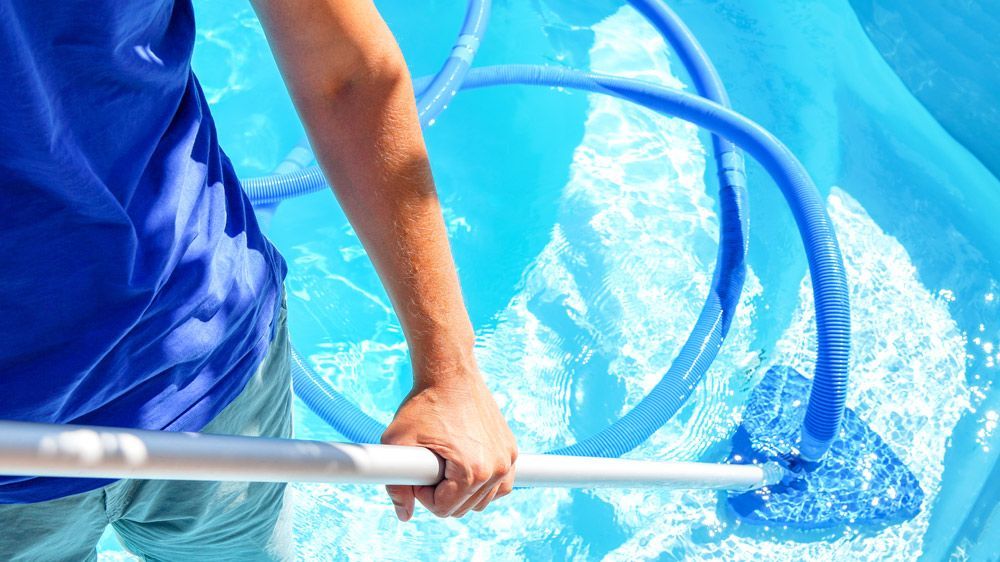
Homeowners often assume ongoing pool upkeep is simply a matter of routine, but how much work a pool needs day to day is largely decided before it's even built. A pool designed with Bundaberg's climate in mind needs far less intervention than one that wasn't.
Design choices that affect ongoing upkeep include:
- Pool positioning relative to sun and shade
- Surfaces and finishes chosen for the local climate
- Equipment sized correctly for the pool
- Layouts that avoid awkward, hard-to-reach areas
Getting these decisions right at the design stage makes a noticeable difference to how much attention the pool needs afterwards.
Choosing a Pool Shape That Doesn't Suit the Site
Not every pool shape works on every block. Steps, ledges and tight corners might look striking on a plan, but on an actual site they can create awkward areas that are harder to keep clean and clear.
A design that ignores the shape and slope of your yard often leads to compromises later on. Common issues include:
- Steps or ledges that collect debris
- Tight corners that are hard to access
- Shapes that clash with the natural slope of the block
- Layouts that leave little usable space around the pool
Getting the shape right from the outset means fewer awkward features to deal with for the life of the pool.
Overlooking Drainage Around the Pool Area
Drainage is one of those things that's easy to underestimate until heavy rain exposes the problem. Bundaberg's wet season can bring intense downpours, and a pool area without proper drainage can end up waterlogged or unstable.
Poor drainage planning often shows up as:
- Water pooling around the pool edge after rain
- Surrounding paving or concrete shifting over time
- Soil erosion near the pool structure
- Water finding its way into the pool itself during storms
A well-planned drainage system protects both the pool structure and the surrounding area for years to come.
The Risks of Letting Water Levels Drop Too Low
Bundaberg's heat drives high evaporation rates, and pools lose water faster than many homeowners expect. If levels drop too low, pumps can pull in air instead of water, leading to overheating or mechanical strain.
When water levels fall below halfway on the skimmer opening, you may notice:
- Gurgling sounds from the pump
- Weak water flow
- Air bubbles returning through jets
- Filters struggling to clear debris effectively
A pool designed and positioned with local evaporation rates in mind puts less strain on the system from the outset.
Overlooking Filtration and Circulation at the Design Stage
Many homeowners assume clear water simply comes down to routine upkeep, but filtration and circulation are largely set by the original design. Pump size, pipe layout and filter capacity all need to match the pool's size and shape.
Signs a filtration system wasn't sized or planned correctly include:
- Dirt collecting in the same areas each day
- Weak water movement at the surface
- Filter pressure that sits too high or too low
- Water clarity that fluctuates even with correct chemicals
Getting circulation right at the design stage means filters, pumps and water flow all work as they should.
Picking Materials That Aren't Built for Bundaberg's Climate
Strong sun, high humidity and salty coastal air all take a toll on pool materials. What performs well in a milder climate can fade, crack or degrade much faster in Bundaberg's conditions.
Materials that struggle locally tend to show:
- Fading or discolouration within a few years
- Surfaces that become too hot to walk on in summer
- Cracking or wear from constant sun exposure
- Reduced lifespan compared to climate-appropriate options
Matching materials to the local climate from the start avoids costly replacements down the track.
Underestimating Sun Exposure and Layout Planning
How much sun and shade your pool area gets throughout the day should shape the entire design, not just where the pool sits. A pool positioned without this in mind can end up either scorching hot or barely usable in cooler months.
Sun and layout planning affects:
- How comfortable the pool area feels in peak summer
- How quickly surfaces heat up underfoot
- How much natural shade is available for swimmers
- How steps, ledges and shaded corners collect debris or algae
Factoring in sun exposure and layout at the design stage makes the pool more comfortable to use, whatever the season.
Forgetting to Design for Bundaberg's Peak Summer Heat
Preparing a pool to handle peak summer conditions starts at the design stage, not the week before the heat arrives. A pool built without this in mind can place unnecessary strain on equipment and surfaces once temperatures climb.
Design considerations linked to summer performance include:
- Equipment capacity for heavier seasonal use
- Materials that hold up under intense sun
- Shade and positioning that ease the load on chemicals and equipment
- Layouts that stay comfortable to use even at peak temperatures
Designing with Bundaberg's summers in mind from the start means the pool performs well when it's used the most.
Get Your Pool Design Right From the Start
At Aqualine Pools, we work closely with Bundaberg homeowners to design and build pools suited to the local climate, site conditions and lifestyle. Getting the shape, materials, drainage and equipment sizing right from the outset makes a real difference to how a pool performs for years to come.
Whether you're planning a brand new pool or considering a renovation, our team can help you work through the design decisions that matter most. Get in touch to talk through your options and find a design that suits your property.